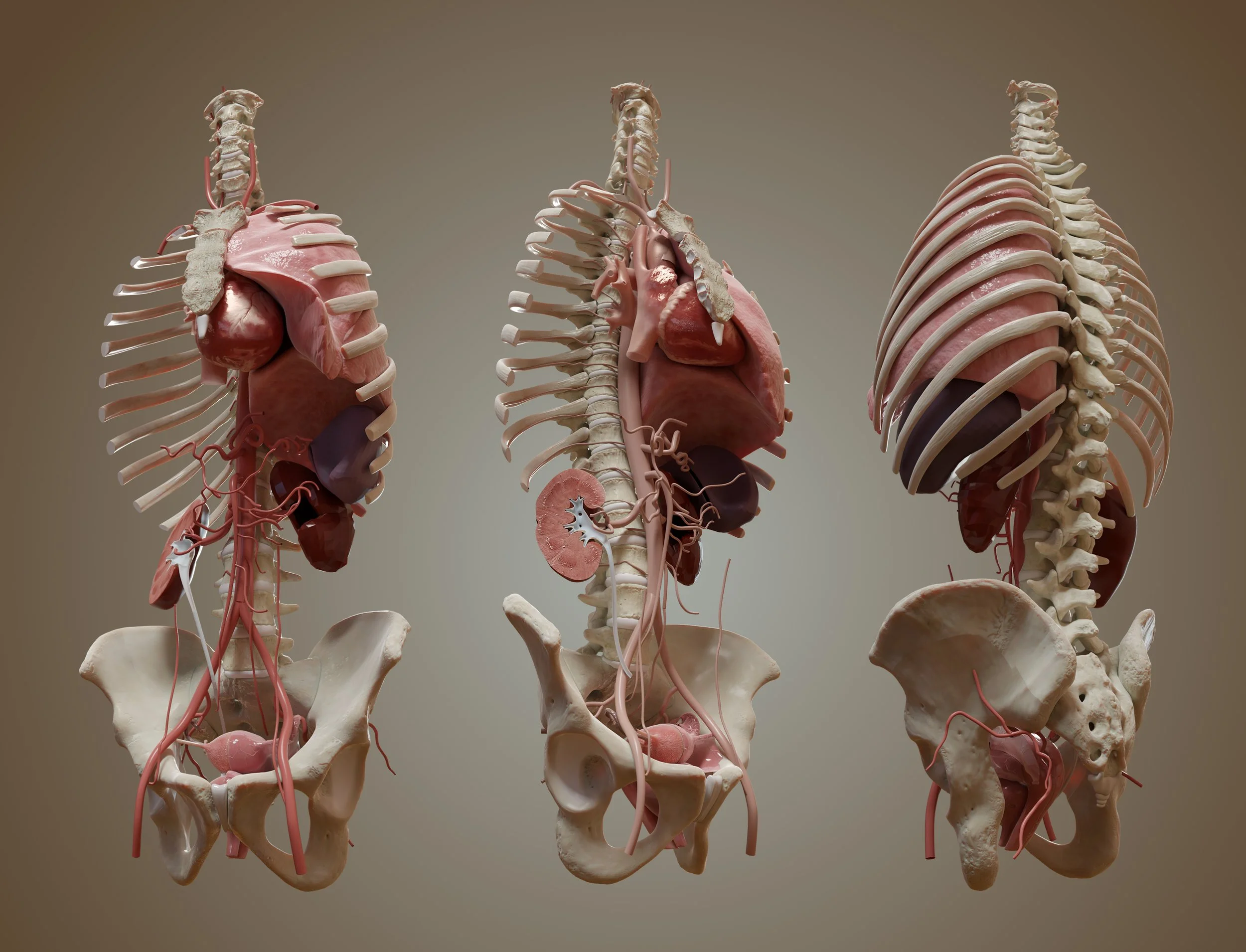
Anatomy of the aorta
The aorta is the largest artery in the human body and serves as the main conduit for oxygenated blood pumped from the heart to the rest of the body. It originates from the left ventricle of the heart and is divided into several sections: the ascending aorta, the aortic arch, the descending thoracic aorta, and the abdominal aorta. The aortic arch gives rise to major branches, including the brachiocephalic trunk, left common carotid artery, and left subclavian artery, which supply blood to the head, neck, and upper limbs. As the aorta descends through the thoracic and abdominal cavities, it gives off numerous smaller arteries that supply the organs and tissues along its path. It eventually bifurcates into the common iliac arteries, which carry blood to the lower limbs.